The Reserve Bank of Malawi (RBM) has ordered the Public Service Pension Trust Fund to immediately rescind the K128.75 billion purchase of Amaryllis Hotel, accusing the board of disobeying direct orders and breaching financial laws.
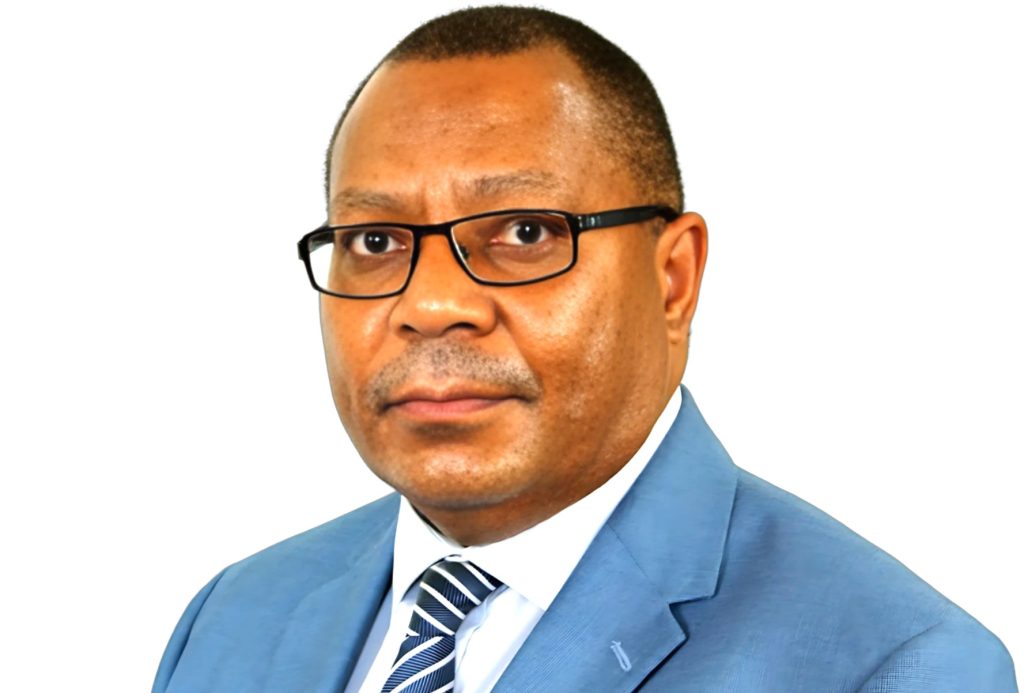
In a letter dated February 20 2026, RBM Governor and Registrar of Financial Institutions George Partridge demanded that trustees explain within seven days why they should not face administrative penalties.
“Please take note that in proceeding with the transaction, the Board disobeyed and failed to comply with directions issued by my office,” Partridge wrote.
The regulator has given the board seven days to show cause why penalties should not be imposed under Sections 39 and 75 of the Financial Services Act.
sale agreement be rescinded
“Meanwhile, we also demand that the sale agreement be rescinded,” said Partridge.
In response to a questionnaire, the pension fund’s spokesperson Yamikani Sekeni said the matter remains subject to ongoing regulatory processes.
“The definitive timeline and full details of the transaction will be communicated once the relevant competent authorities have concluded their respective investigations and reviews, and have formally granted the necessary clearances,” said Sekeni.
Records show the fund signed a contract with Yusuf Investment Limited on November 17 2025—two days before the Malawi Law Society triggered an Anti-Corruption Bureau (ACB) investigation.
The ACB issued a restriction notice but later lifted it, with acting director general Gabriel Chembezi stating in a December 18 2025 letter that “the ACB did not find sufficient evidence to sustain charges of corrupt practices or abuse of office by the public officers involved.”
However, Chembezi maintained that the bureau harboured concerns about operational risks and the sharp increase in the purchase price—from around K47 billion to K128.75 billion.
“The lifting of the restriction notice did not necessarily signify an approval for the fund to proceed with the transaction,” he said.
Attorney General Frank Mbeta cleared the transaction on December 28 2025, advising the board to proceed after a final risk review.
He noted that most steps leading to the board’s October 25 resolution authorising the acquisition were taken by principal officer George Jim, who was suspended on October 27 for alleged misconduct.
But on December 23 2025, then Registrar of Financial Institutions MacDonald Mafuta-Mwale issued a warning. His assessment revealed “serious prudential, regulatory and fiduciary concerns” regarding the proposed acquisition.
The RBM’s initial direction on November 14 2025 ordered the board to pend all transactions relating to the acquisition until further notice.
But Partridge’s February 20 letter notes with concern that “after our direction of November 14 2025, the Board proceeded with the transaction before the direction was varied or removed” and “proceeded to close the transaction prior to making the comprehensive submission requested.”
FDH Bank assessed the business at around K47 billion, while property valuers Knight Frank and Garden City gave figures of K78 billion and K83 billion, respectively. By November 2025, the contract had been signed at K128.75 billion—nearly triple the original figure.
The Malawi Law Society had raised “grave concerns” about an alleged irregular reversal of a January 2024 rejection based on expert advice deeming the deal unviable at K47 billion.
In a joint statement issued yesterday, the National Anti-Corruption Alliance and National Advocacy Platform commended the Registrar’s action, saying it safeguards “the retirement savings of teachers, nurses, police officers and civil servants that had been exposed to a transaction surrounded by serious prudential, fiduciary and governance concerns”.
The groups noted that while the AG’s role is advisory, “the Registrar of Financial Institutions exercises regulatory and punitive powers under the financial regulatory framework. Where clear warnings and binding regulatory directions are disregarded, accountability must necessarily follow.”